MICAPP
Yandex Advertising
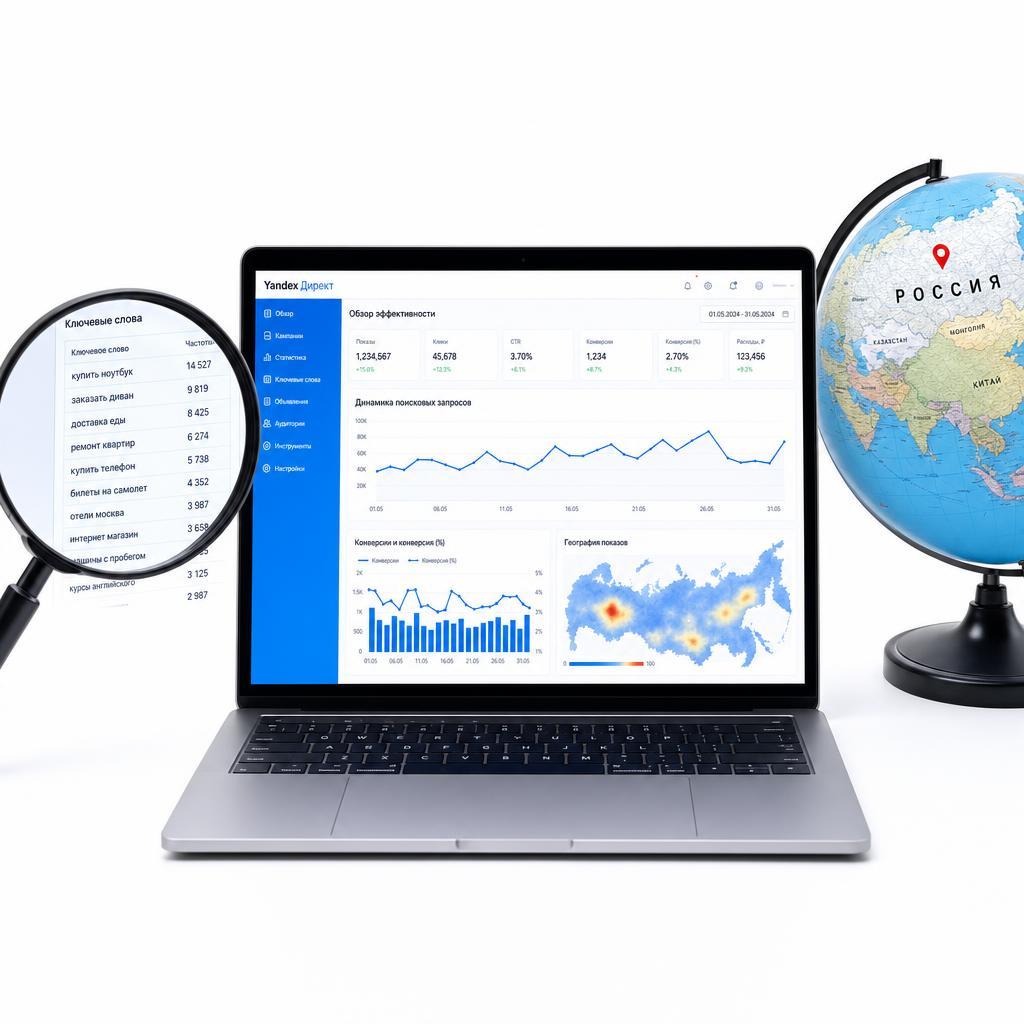
For B2B SaaS companies expanding into Russian-speaking markets, Yandex can be more than an alternative ad platform—it can be a strategic growth channel. Effective Yandex推广 requires clear market fit, intent-driven keyword planning, localized landing pages, and reliable conversion tracking. This guide helps business decision-makers understand when Yandex advertising makes sense, how to build a keyword strategy for SaaS buyers, and what tracking setup is needed to measure pipeline impact and optimize ROI.
For enterprise service SaaS providers, the core question is not whether Yandex has traffic. The question is whether that traffic can become qualified pipeline within a measurable sales cycle.
Companies selling website building SaaS, cross-border e-commerce systems, data analytics, ad management tools, or translation-enabled commerce platforms need a disciplined approach. Yandex推广 should connect search intent, localization, CRM tracking, and sales qualification.
When Yandex Advertising Fits a B2B SaaS Expansion Plan
Yandex is most relevant when your target buyers search, evaluate vendors, and compare software in Russian-speaking environments. This may include Russia, Kazakhstan, Belarus, Uzbekistan, and other regional markets.
For B2B SaaS, market fit should be validated before allocating a 3-month media budget. A practical first test usually runs for 30–60 days with controlled targeting, localized pages, and conversion tracking.
Market-fit signals for enterprise SaaS decision makers
Yandex推广 is usually worth testing when at least 2–3 commercial signals are present. These signals reduce the risk of buying traffic before the market understands your SaaS category.
- Your product solves a recognized cross-border e-commerce, website building, advertising automation, analytics, or localization problem.
- Russian-language searches show buyer intent, such as vendor comparison, pricing, implementation, integration, or demo-related queries.
- Your sales team can handle Russian or localized English inquiries within 24–48 hours.
- Your landing page explains compliance, onboarding, payment, logistics, or integration details clearly.
- Your CRM can distinguish Yandex leads from Google, Bing, organic search, referrals, and outbound campaigns.
Decision makers should avoid treating Yandex as a simple cost-per-click channel. For SaaS, the meaningful metric is qualified opportunity cost, not only lead volume.
Yandex fit by SaaS scenario
The following table summarizes typical Yandex advertising suitability for enterprise service SaaS companies. It helps separate high-intent opportunities from premature market-entry spending.
The strongest fit appears when Yandex traffic can be tied to a specific business process. For example, a merchant needs an independent store, ad deployment, translation, analytics, and fulfillment support.
Budget discipline before scale
A sensible pilot does not require an excessive budget. Many SaaS teams begin with 3–5 tightly themed campaigns, 20–50 core keywords, and weekly optimization cycles.
If no qualified inquiries appear after 4–6 weeks, the issue may be positioning, landing-page localization, or keyword intent. Increasing spend too early can hide those problems.
Keyword Strategy for B2B SaaS Buyers on Yandex
A strong keyword strategy for Yandex推广 starts with buyer roles. SaaS searches from founders, marketing directors, e-commerce managers, and IT leaders often use different wording.
A founder may search for market-entry solutions. A marketing director may search for overseas ad management. An IT leader may search for integration, security, API, and hosting details.
Build keyword groups by intent, not by translation alone
Direct translation is rarely enough. Russian-language SaaS buyers may describe independent websites, online stores, advertising accounts, analytics dashboards, or automation tools in market-specific terms.
- Map 3–5 buyer personas and their decision responsibilities.
- Separate informational, comparison, pricing, demo, and implementation keywords.
- Create keyword clusters for each SaaS capability, such as site building, ad automation, analytics, translation, logistics, and payment.
- Add negative keywords weekly to remove consumer searches, job searches, free templates, and unrelated software terms.
- Review search terms every 7 days during the first month and every 14 days after stabilization.
The best-performing SaaS campaigns usually combine exact commercial keywords with broader discovery terms. This creates both short-term lead flow and long-term audience learning.
Keyword structure for pipeline quality
Before launching Yandex推广, organize keyword groups around business outcomes. This structure makes bidding, landing-page mapping, and conversion reporting easier to manage.
This structure helps leadership see which searches generate real buying conversations. It also prevents low-intent clicks from consuming the same budget as demo-ready queries.
Practical keyword volume and account rules
For a first campaign, keep each ad group focused. A common starting point is 5–15 keywords per group, 2–3 ad variations, and one aligned landing page.
Negative keyword lists should be expanded weekly. Terms related to free downloads, consumer apps, unrelated marketplaces, employment, and education can quickly dilute B2B SaaS performance.
Localized Landing Pages and SaaS Conversion Design
Yandex clicks do not become pipeline without localized landing pages. B2B buyers need evidence that your SaaS product understands their market, workflow, and decision constraints.
For cross-border e-commerce SaaS, localization should cover more than language. It should explain storefront setup, advertising deployment, analytics, translation workflow, payments, and logistics in connected steps.
What localized SaaS pages must include
A decision-grade landing page should answer 6 questions within the first screen and supporting sections. Buyers want clarity before booking a demo or submitting a form.
- What business problem does the SaaS platform solve?
- Which company types, team sizes, and export scenarios are best suited?
- How long does onboarding typically take, such as 7–15 days or 2–4 weeks?
- Which systems can be integrated, including ads, analytics, translation, payment, or logistics tools?
- What operational support is available after launch?
- How will performance, leads, revenue, and campaign ROI be measured?
For decision makers, the landing page should function like a procurement briefing. It must reduce uncertainty around scope, deployment, reporting, and internal resource requirements.
Conversion paths for different buying stages
Not every visitor is ready for a sales call. A balanced Yandex推广 funnel should include at least 3 conversion paths for different levels of intent.
- High intent: book a demo, request pricing, or contact a consultant.
- Mid intent: download an implementation checklist, migration guide, or market-entry plan.
- Early intent: subscribe for insights, compare solutions, or view product workflow pages.
For SaaS companies, a simple contact form is often insufficient. Add fields that qualify leads without creating friction, such as company type, region, budget range, and launch timeline.
Page performance and technical checks
Landing pages should load quickly, especially for mobile visitors. As a practical target, keep primary content usable within 3 seconds on common regional network conditions.
Forms should be tested before launch. Check thank-you pages, CRM routing, email alerts, consent text, and UTM capture at least 2 times before campaigns go live.
Tracking Setup: From Clicks to Qualified Pipeline
Tracking is where many Yandex推广 pilots succeed or fail. If leadership only sees clicks and form fills, the channel may be misjudged too early.
A B2B SaaS tracking setup should connect Yandex Metrica, UTM parameters, CRM stages, call tracking where relevant, and offline sales feedback within one reporting workflow.
Core tracking components
At minimum, decision makers should require 5 tracking layers. These layers help distinguish visitor activity from meaningful revenue movement.
- Campaign and keyword-level UTM parameters for every ad destination.
- Yandex Metrica goals for form submission, demo booking, click-to-call, and document download.
- CRM source mapping to record Yandex, campaign, ad group, and landing page fields.
- Lead qualification stages, including MQL, SQL, opportunity, proposal, and closed result.
- Monthly performance review linking media spend to qualified pipeline and sales feedback.
This setup does not need to be complex. However, it must be consistent. Missing UTM fields or duplicate sources can make 30 days of data difficult to interpret.
Metrics that matter for SaaS leadership
Executives should evaluate Yandex advertising across the full funnel. A low cost per lead may still be poor performance if leads do not pass qualification.
- Lead-to-MQL rate: indicates whether traffic matches the target buyer profile.
- MQL-to-SQL rate: shows whether sales conversations are relevant and actionable.
- Cost per SQL: more useful than cost per raw form fill.
- Opportunity value: connects campaigns to pipeline rather than isolated inquiries.
- Sales cycle length: often 30–120 days for B2B SaaS, depending on contract size and implementation scope.
A 2-week report can guide tactical changes, but strategic judgment usually needs 60–90 days. SaaS buying cycles require time for demos, technical review, and budget approval.
Common tracking mistakes
The most common mistake is optimizing only for form submissions. This can reward broad keywords, weak landing pages, or low-value inquiries that never enter sales review.
Another mistake is separating advertising reports from CRM data. Marketing and sales should review campaign quality together at least once every 2 weeks during the pilot.
How Maikep Supports Yandex推广 for Cross-Border SaaS Growth
For enterprise decision makers, the ideal partner should understand both SaaS systems and overseas digital marketing. Yandex campaigns become stronger when technology, data, and service delivery are integrated.
Maikep focuses on helping enterprises expand overseas through e-commerce and SaaS-enabled digital infrastructure. Its platform capabilities cover intelligent website building, data analytics, overseas ad management, and neural translation workflows.
Integrated capabilities for market entry
A Yandex推广 project should not stop at media buying. For cross-border e-commerce enterprises, success often depends on 4 connected layers: website, content, ads, and analytics.
- Website SaaS system for independent store setup, product presentation, and localized conversion pages.
- Big data processing and analysis to support market decisions, product selection, and performance review.
- Overseas advertising management for campaign deployment, monitoring, optimization, and budget control.
- Neural translation support to improve multilingual storefronts, product content, and user communication.
Maikep’s long-term experience in internet promotion supports a practical execution model. The goal is not only traffic acquisition, but measurable market expansion and better investment returns.
Recommended implementation roadmap
A controlled rollout keeps risk manageable. For many enterprise SaaS and cross-border e-commerce projects, a 5-step roadmap is more effective than a large one-time launch.
- Assess market fit, target regions, buyer roles, and commercial search demand.
- Build localized landing pages and define qualification fields before media launch.
- Launch tightly structured Yandex campaigns with controlled budgets and keyword clusters.
- Connect Metrica, UTM parameters, CRM stages, and sales feedback loops.
- Review results every 14 days and scale only the campaigns producing qualified pipeline.
This roadmap gives leadership a clearer view of risk, cost, and expected learning milestones. It also makes vendor performance easier to evaluate.
Procurement questions before selecting a partner
Before approving a Yandex推广 service provider, ask how they manage localization, tracking, keyword expansion, negative keywords, CRM integration, and reporting cadence.
A capable partner should explain the first 30 days, the optimization logic, and the evidence needed before scaling. Vague promises should not replace operational detail.
Key Takeaways for Decision Makers
Yandex can be a valuable growth channel for B2B SaaS companies entering Russian-speaking markets, but only when market fit, keywords, pages, and tracking work together.
The best results come from disciplined testing: 30–60 days for early validation, 60–90 days for pipeline evaluation, and ongoing optimization based on qualified opportunities.
For SaaS providers serving cross-border e-commerce, Yandex推广 should be connected to independent website building, data analysis, ad automation, translation, and operational support.
Maikep helps enterprises combine SaaS systems, overseas marketing execution, data monitoring, and localized digital infrastructure. This integrated approach supports more accountable market expansion.
If your company is evaluating Yandex advertising for SaaS growth, contact us to discuss market fit, keyword planning, landing-page localization, and tracking setup for a tailored solution.